Beebirdmedia
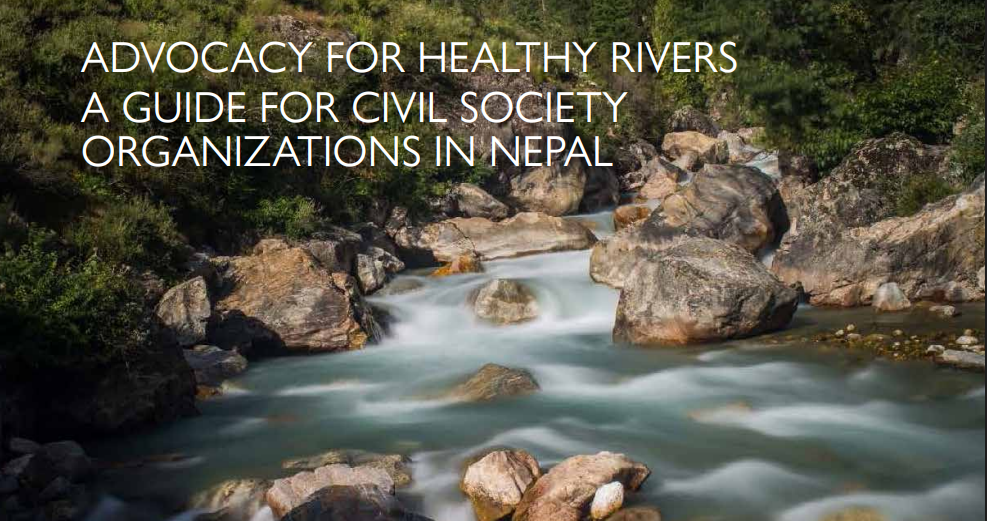
Advocacy Guide: Empowering Citizens and Civil Society for Sustainable Infrastructure
Communication Challenge
Nepal’s rivers are under increasing pressure from road construction, irrigation systems, and hydropower development. While these infrastructures are essential for socio-economic growth, their impacts on freshwater ecosystems and community livelihoods are often poorly understood or overlooked. Civil society organizations and citizens lacked accessible, practical guidance to understand infrastructure processes, engage with responsible government institutions, and advocate for river-friendly development.
Communication Approach
Beebird coordinated the development of the CSO Guide for Healthy Rivers as a practical, user-focused resource for citizens and civil society organizations. Drawing on national and international expertise, including Jalshrot Vikas Sanstha, the guide translated complex infrastructure and environmental concepts into clear, actionable information. The content was designed to bridge technical knowledge with civic engagement, enabling readers to move from understanding problems to participating effectively in decision-making processes at multiple governance levels.
Key Focus Areas
The guide was structured to help readers:
- Understand infrastructure terminology, planning processes, and sustainability principles
- Recognize common threats to river health from roads, irrigation, and hydropower
- Identify relevant government offices and regulatory mechanisms
- Follow a step-by-step advocacy pathway from issue identification to collective action
- Engage confidently in policy dialogue at local, provincial, and federal levels
Key Deliverables
- Authorship and editorial coordination in collaboration with Chris Butler and USAID PAANI
- Production of a comprehensive guide covering infrastructure development and biodiversity impacts
- Development of a practical advocacy toolkit for CSOs and citizen groups
- Publication designed for clarity, accessibility, and broad public use
- Communication support to promote informed and democratic participation in infrastructure decision-making
Outcomes
The CSO Guide for Healthy Rivers strengthened the capacity of civil society and citizens to engage meaningfully in sustainable infrastructure planning and freshwater conservation. By combining technical insight with practical advocacy tools, the guide empowered communities to influence development processes in ways that support both livelihoods and biodiversity.
Value Added
The guide provides a durable, reusable resource that supports transparent governance, informed public participation, and responsible infrastructure development. It contributes to long-term conservation outcomes by equipping communities with the knowledge and tools needed to protect river systems while engaging constructively in development debates.
Recent Our Works
Building a National Knowledge Platform for Freshwater Resources in Nepal
Our lead consultant coordinated the development of the Freshwater Center of Excellence (FWCoE), a nationally owned knowledge platform housed at Tribhuvan University. The platform centralizes research, data, and learning products on freshwater biodiversity and climate change, supporting basin-level planning and long-term institutional sustainability beyond the USAID PAANI project.
Communication Strategy Development for Nepal’s Freshwater Conservation
Our lead consultant developed and implemented a comprehensive communication strategy for Nepal’s first national freshwater biodiversity initiative. The strategy empowered communities, translated research into actionable knowledge, and strengthened learning and coordination across local, basin, and national levels. Tailored media, community engagement, and capacity-building ensured lasting impact and institutional learning.
Documenting Impact Through Stories and Multimedia
Beebird Communications Consultant had supported the design and coordination of an integrated closeout storytelling initiative that combined strategic multimedia production with field-based story collection. Two complementary formats were developed: a short impact video capturing program-wide achievements and long-term contribution, and a curated collection of photo stories and testimonials told through the voices of beneficiaries and conservation champions. Story development was grounded in rea...
Integrated Communications Execution with Nepal Forum for Environmental Journalists (NEFEJ)
Integrated communication support for the USAID PAANI Project, coordinating media, digital platforms, and public engagement to strengthen environmental journalism and freshwater dialogue in Nepal.
Advocacy Guide: Empowering Citizens and Civil Society for Sustainable Infrastructure
A practical advocacy guide developed under the USAID PAANI Program to empower citizens and civil society to engage in sustainable infrastructure planning and protect Nepal’s rivers.
Newsletter Campaign – Strengthening Internal Communication and Knowledge Sharing
Design and management of DAI Nepal’s quarterly internal newsletter, strengthening knowledge sharing, staff engagement, and organizational identity across development projects.
Branding & Marketing Guide: Crafting a Distinctive, Responsible Travel Identity
Beebird developed a comprehensive brand and marketing guide for The Nepal Calling, establishing a cohesive visual identity, tone, and storytelling framework. The guide positions the brand as a responsible, immersive, and culturally connected travel experience, ensuring consistent messaging across digital, print, and social platforms.
Newsletter
Practical insights and updates to support your work and strategy.