Beebirdmedia
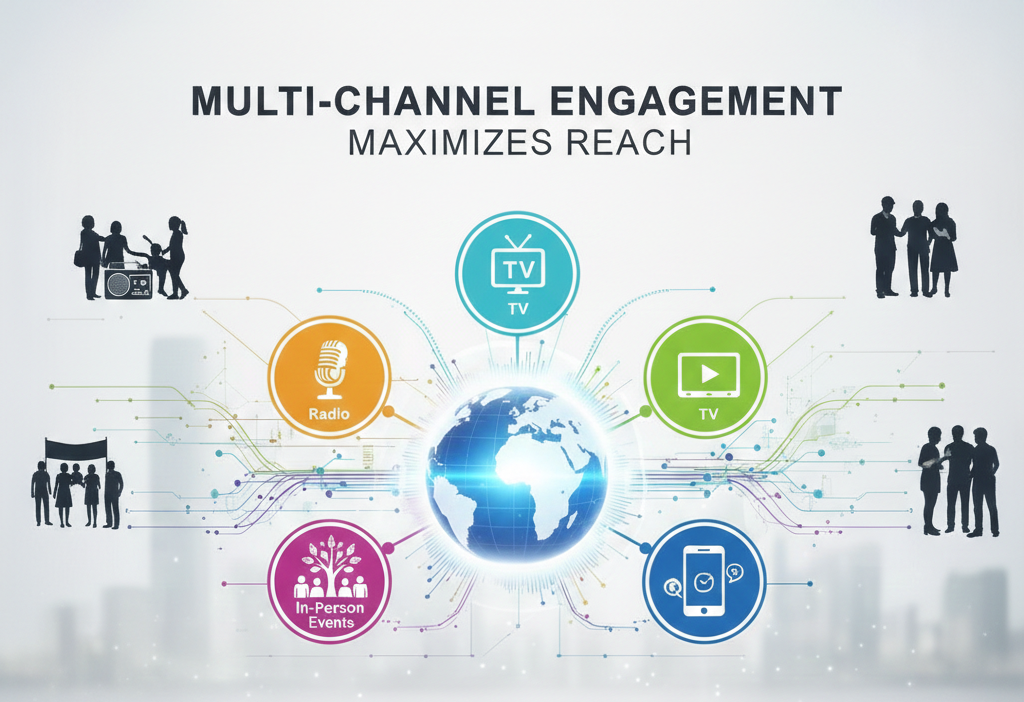
Multi-Channel Engagement Maximizes Reach
Combining radio, TV, digital, in-person events, and community networks ensures messages reach diverse audiences, including those with limited access to technology. Engagement grows when people encounter information through multiple touchpoints.

Local Context Matters
Tailoring content to geography, culture, and language increases relevance and uptake. Insights from rural, urban, hilly, and Terai communities show that one-size-fits-all communication is less effective.
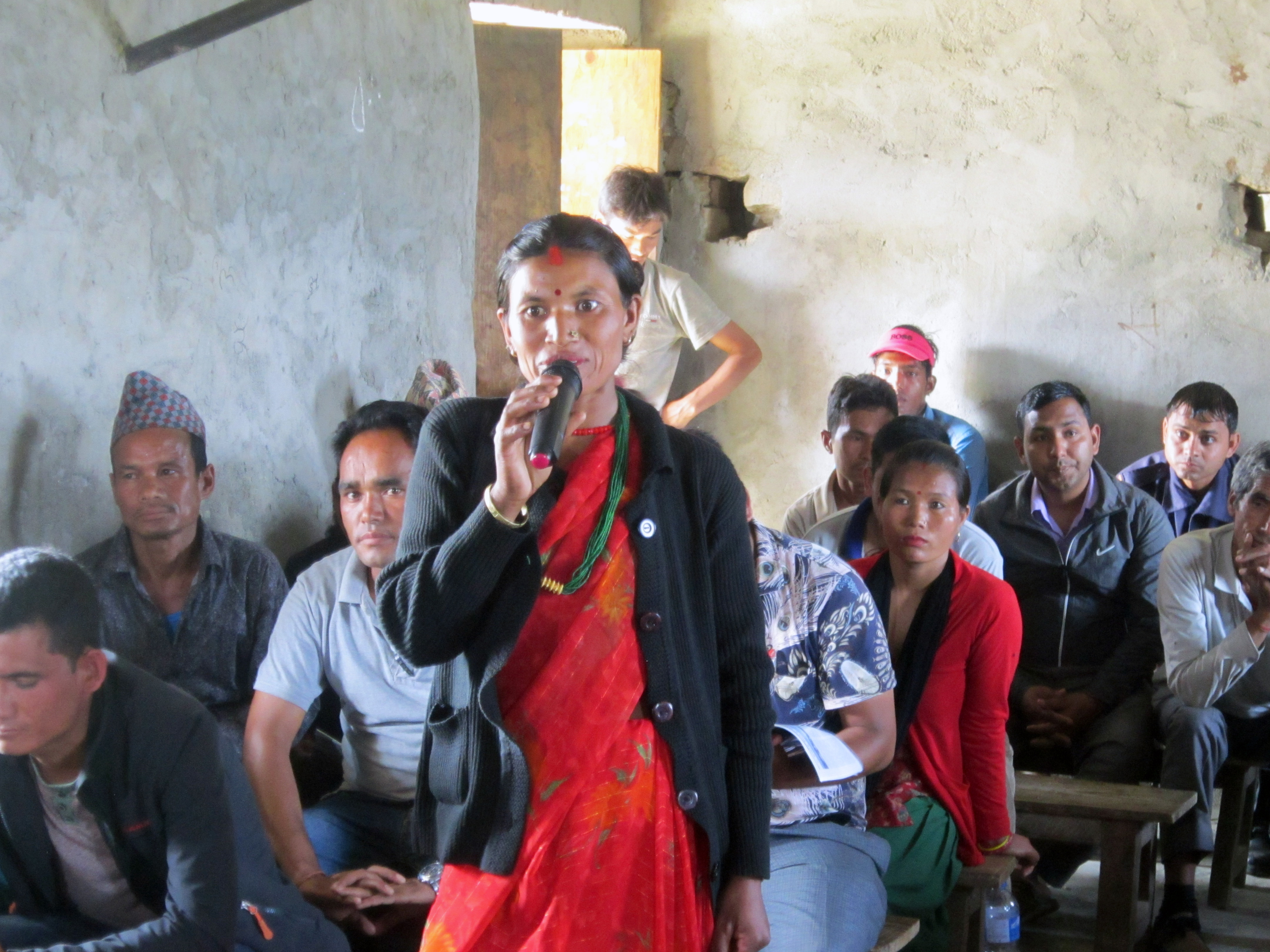
Storytelling Drives Action
Narratives featuring real people, communities, and experiences resonate more than abstract information. Human-centered stories create understanding, spark conversations, and encourage participation in initiatives.
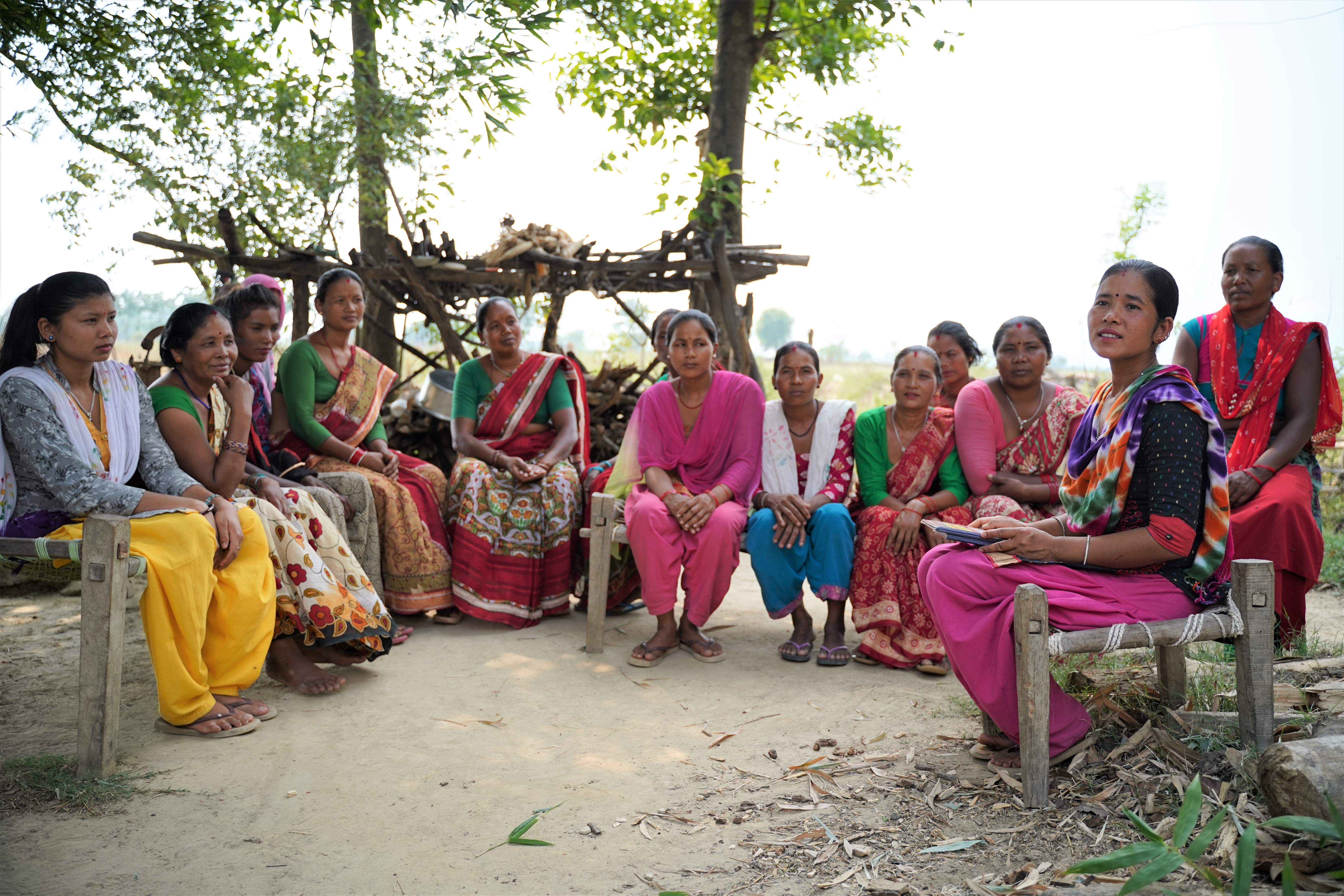
Interactive Platforms Encourage Participation
Workshops, townhall meetings, and participatory sessions empower audiences to discuss, question, and act. Engagement is deeper when people can contribute their ideas, not just receive information.

Accessibility and Inclusivity Are Essential
Communication is most effective when it considers gender, age, literacy, and socioeconomic factors. Programs that actively engage women and marginalized groups see stronger participation and more equitable outcomes.

Data Strengthens Credibility and Impact
Integrating research findings, surveys, and analytics into communication helps audiences trust the message and motivates behavior change. Data-backed content reinforces learning and supports evidence-based advocacy.
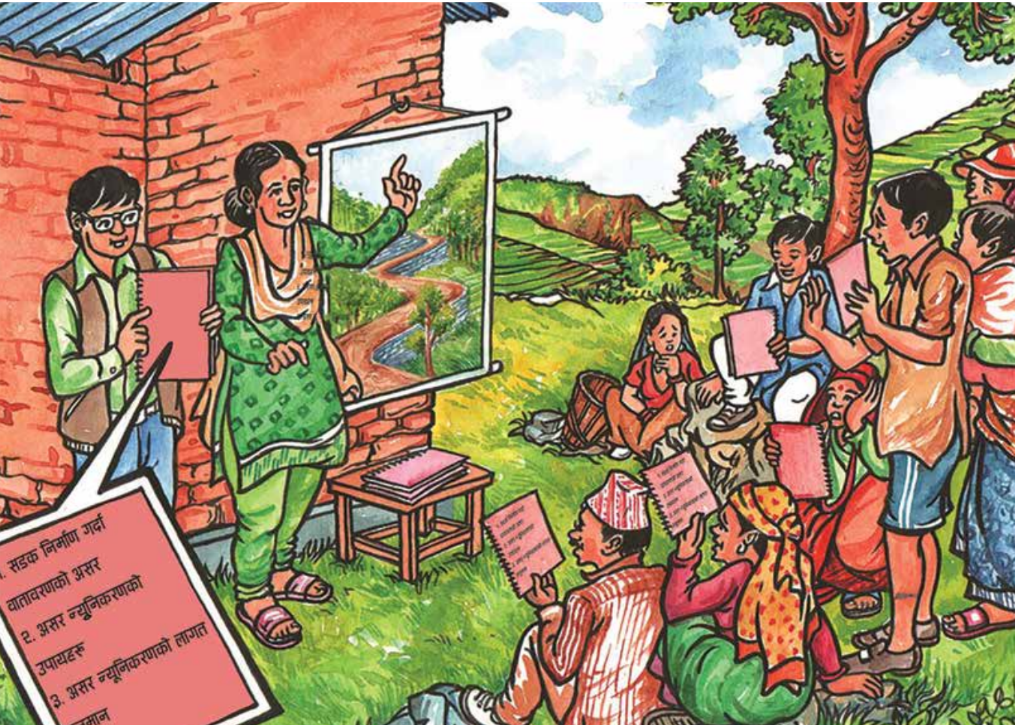
Visuals Enhance Understanding and Retention
Infographics, photos, videos, and clear visual cues help translate complex ideas into digestible insights. Visual storytelling allows audiences to grasp issues quickly and remember key messages.

Continuous Feedback Improves Communication
Monitoring audience response, collecting feedback, and iterating messaging ensures relevance and impact over time. Effective communication is adaptive, not static.
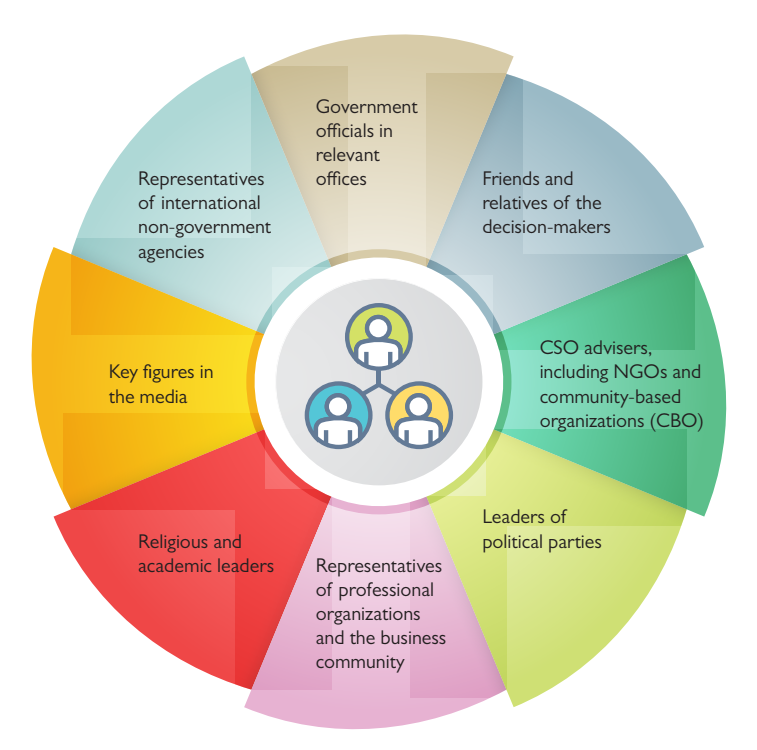
Collaboration Amplifies Influence
Partnering with local leaders, CSOs, government, and community champions strengthens reach and legitimacy. Collective voices are more persuasive than individual efforts.

Communication Builds Beyond Awareness
Well-designed communication doesn’t just inform—it encourages participation, fosters collaboration, and drives long-term behavioral and institutional change.